


At an all-you-can-eat (AYCE) Japanese restaurant, service does not end after the first order. Guests may finish a few pieces of sushi and order another favorite roll. Others at the same table may add dishes at different times. Ordering and serving continue throughout the meal.
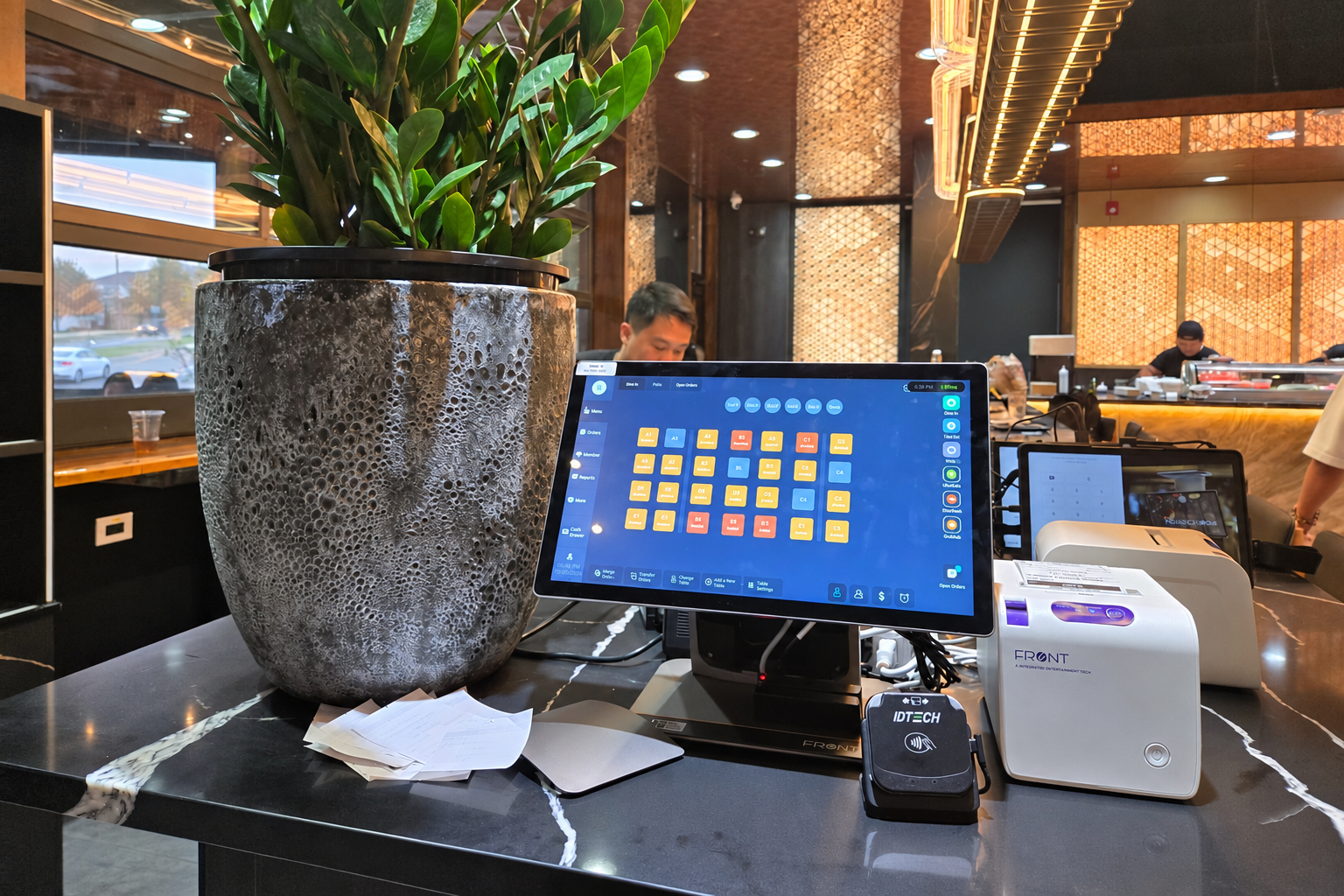
For the newly opened Mr. Tokyo, planning for these ongoing requests was an important part of preparing for daily service. The restaurant chose Front tabletop iPads and Front Station, alongside a food delivery robot. Guests select dishes directly at their table, the robot brings food to the table, and staff use Front Station to handle bills and checkout.
Challenge 1: Guests Need to Order More Throughout the Meal
AYCE guests often order in rounds rather than choosing everything at once. When each additional order requires a server, guests need to get someone’s attention, wait, explain their choices, and have those choices entered.
When several tables want to order more at the same time, staff need to move between tables to take those requests.
The Solution: Put Ordering Within Reach
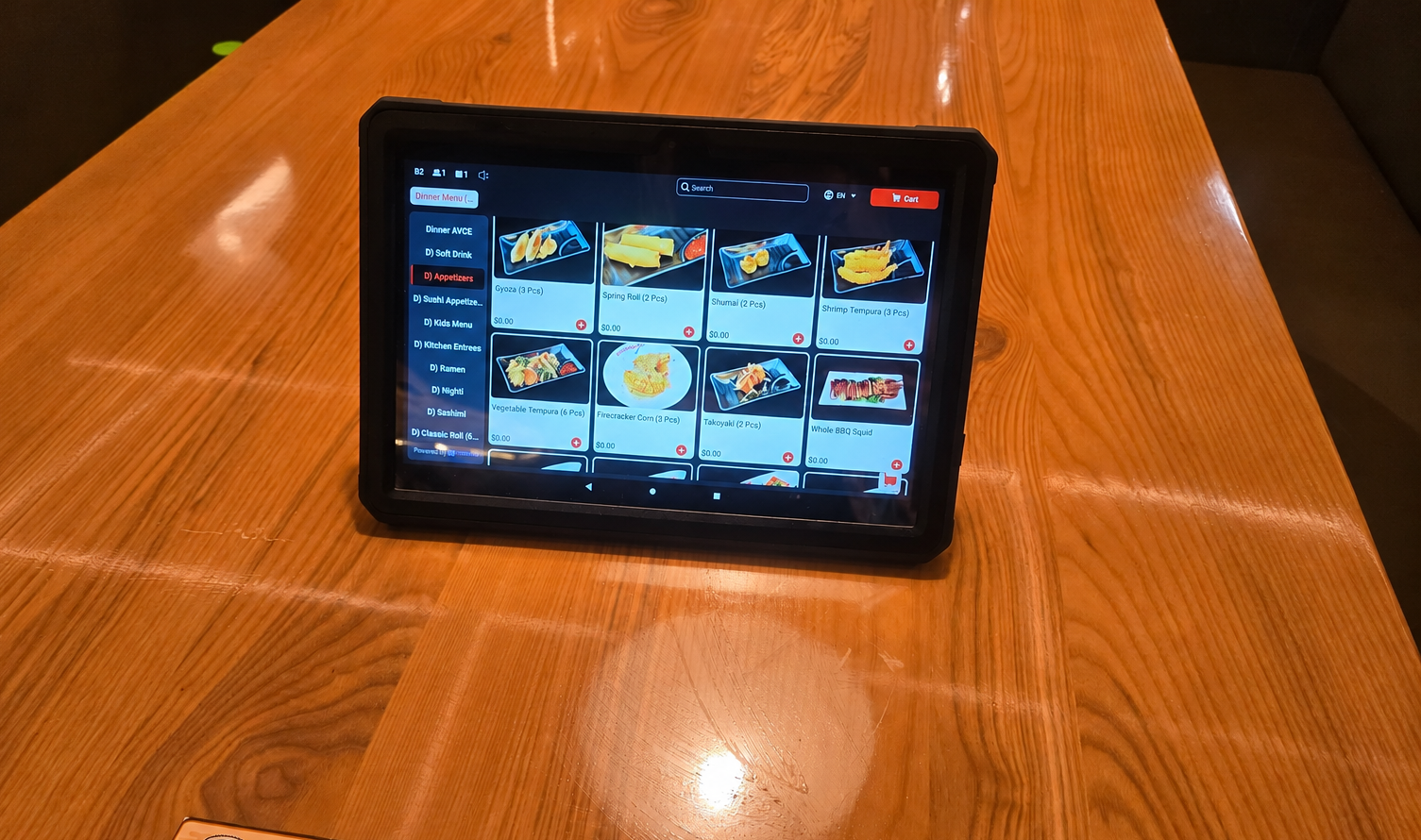
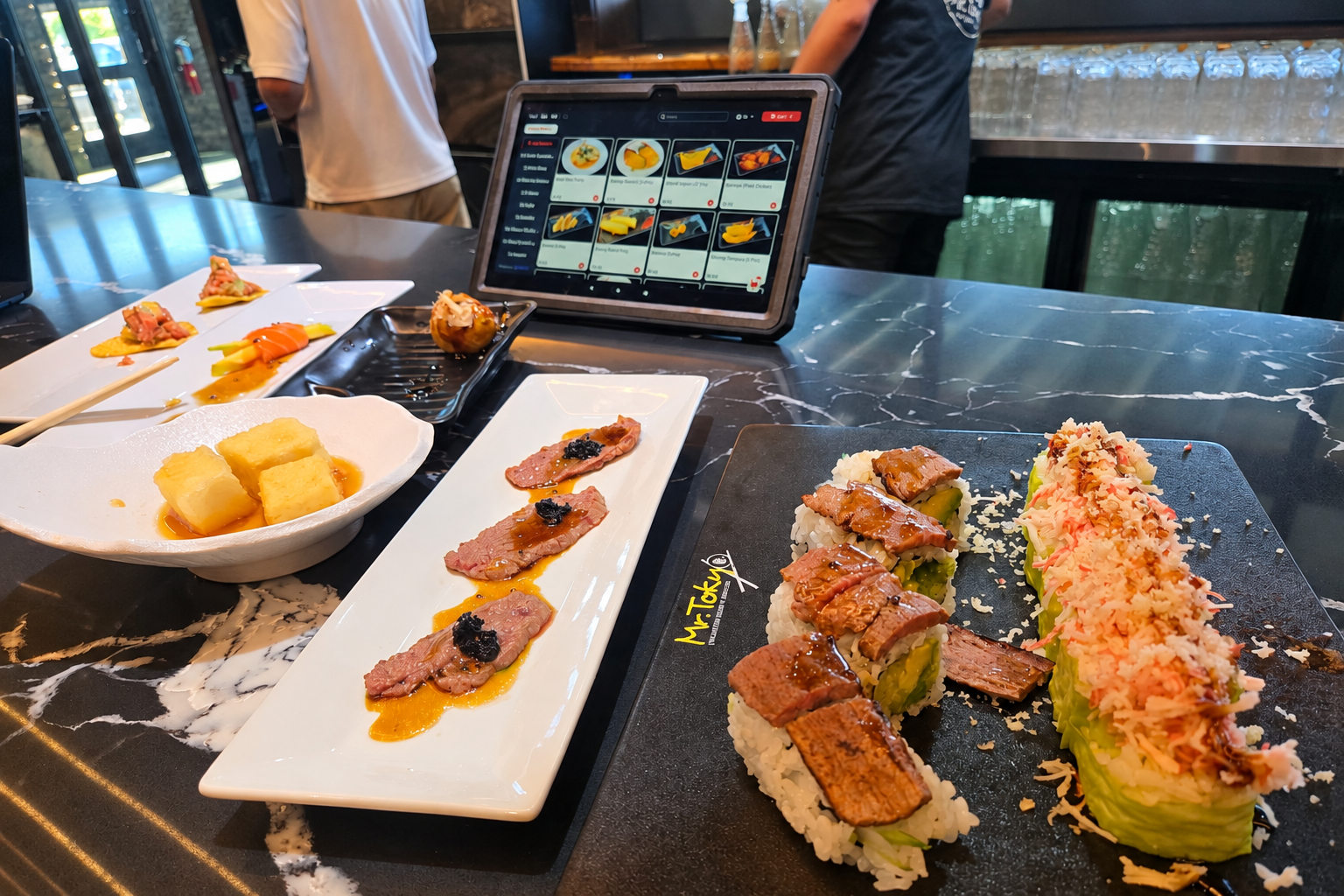
Mr. Tokyo places a Front iPad on the table so guests can browse the menu, choose dishes, and submit their orders themselves. When they finish one round and want more, they can use the same device again.
For example, if a table enjoys a particular sushi roll in the first round, guests can select it again on the iPad without waiting for a server to enter the order.
What This Changes: Guests Can Place Additional Orders Directly
Tabletop ordering reduces the need for a server to be present for every round. Guests can choose their next dishes at their own pace.
With guests handling routine selections and repeat orders, servers have more room to explain menu items, confirm special requests, and help with other needs at the table.
Challenge 2: A Large Menu Can Mean Repeated Order Confirmation
Japanese menus offer many dishes, sometimes with similar names. When several guests order verbally, a server needs to record each item and confirm quantities. Changes of mind can require another conversation.
In an AYCE setting, these steps can repeat several times during one meal.
The Solution: Let Guests Select Dishes and Quantities
On the Front tabletop iPad, guests can review the available options, select the dishes and quantities they want, and submit each round.
Guests at the same table can browse the menu together and decide what to try next. Staff remain available for questions about dishes or special requests.
What This Changes: Fewer Steps Between Choosing and Ordering
Guests enter their routine selections directly, reducing the need to verbally relay each item and have a staff member enter it afterward.
The iPad handles the repeated task of selecting dishes, while employees remain available for service that needs explanation, attention, or judgment.
Challenge 3: Multiple Rounds of Food Mean Repeated Trips to Tables
AYCE restaurants need to serve the same table several times during a meal. Meanwhile, employees also greet guests, answer questions, and clear tables.
When these tasks happen together, staff need to keep switching between food delivery and other service work.
The Solution: Use a Robot to Help Deliver Food
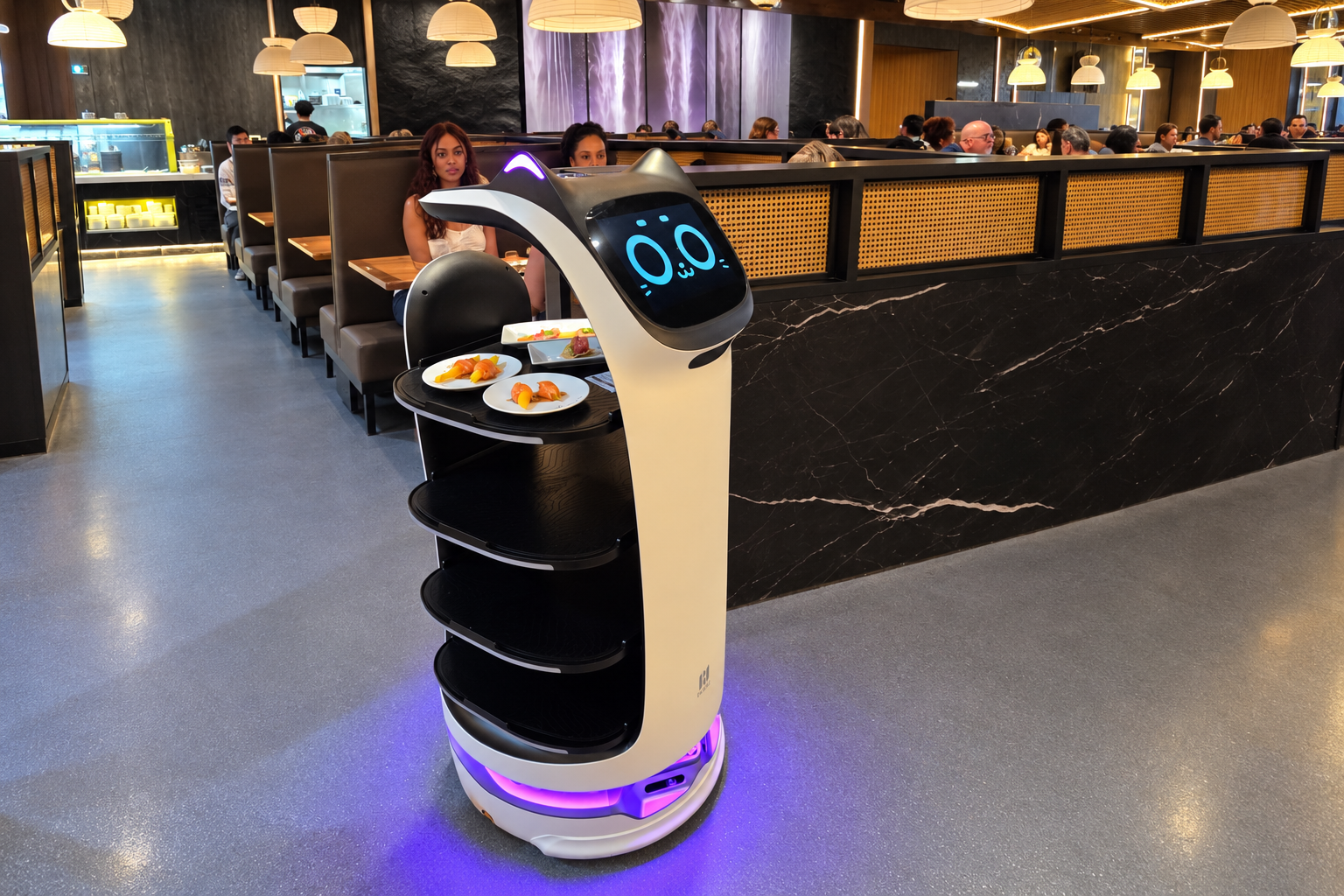
Mr. Tokyo uses a food delivery robot to bring dishes to guests’ tables. Staff handle the necessary steps around delivery and continue attending to other service needs.
The tabletop iPads support ordering, while the robot supports food delivery. Each serves a different part of the restaurant’s AYCE dining process.
What This Changes: More Support for Recurring Delivery Tasks
The robot provides help with transporting dishes to tables, giving staff another way to manage delivery alongside their other responsibilities.
For guests, the process is easy to see: select dishes on the tabletop iPad, then receive food brought to the table by the robot. Together, self-ordering and robot delivery are distinctive parts of the dining experience at Mr. Tokyo.
Challenge 4: A New Restaurant Needs Clear Steps for Daily Service
Opening a restaurant involves more than installing equipment. The team also needs to decide how guests order, how food reaches the table, and how bills are handled.
Without clear steps, employees may need to work things out during service, making it harder to establish a consistent approach to training.
The Solution: Assign Equipment to Specific Tasks
Mr. Tokyo uses different tools for different parts of the meal:
- Front tabletop iPads: Guests browse the menu, select dishes, and place additional orders.
- Food delivery robot: Dishes are transported to the table.
- Front Station: Staff handle bills and checkout.
This gives each device a clear purpose and provides practical steps for employees to learn.
What This Changes: A Clear Starting Point for Daily Operations
From the first order to additional rounds, food delivery, and checkout, the restaurant has a defined way to handle each stage.
As the business settles into daily service, Mr. Tokyo can build on this setup and adjust menu presentation, staff responsibilities, and service routines based on actual needs.
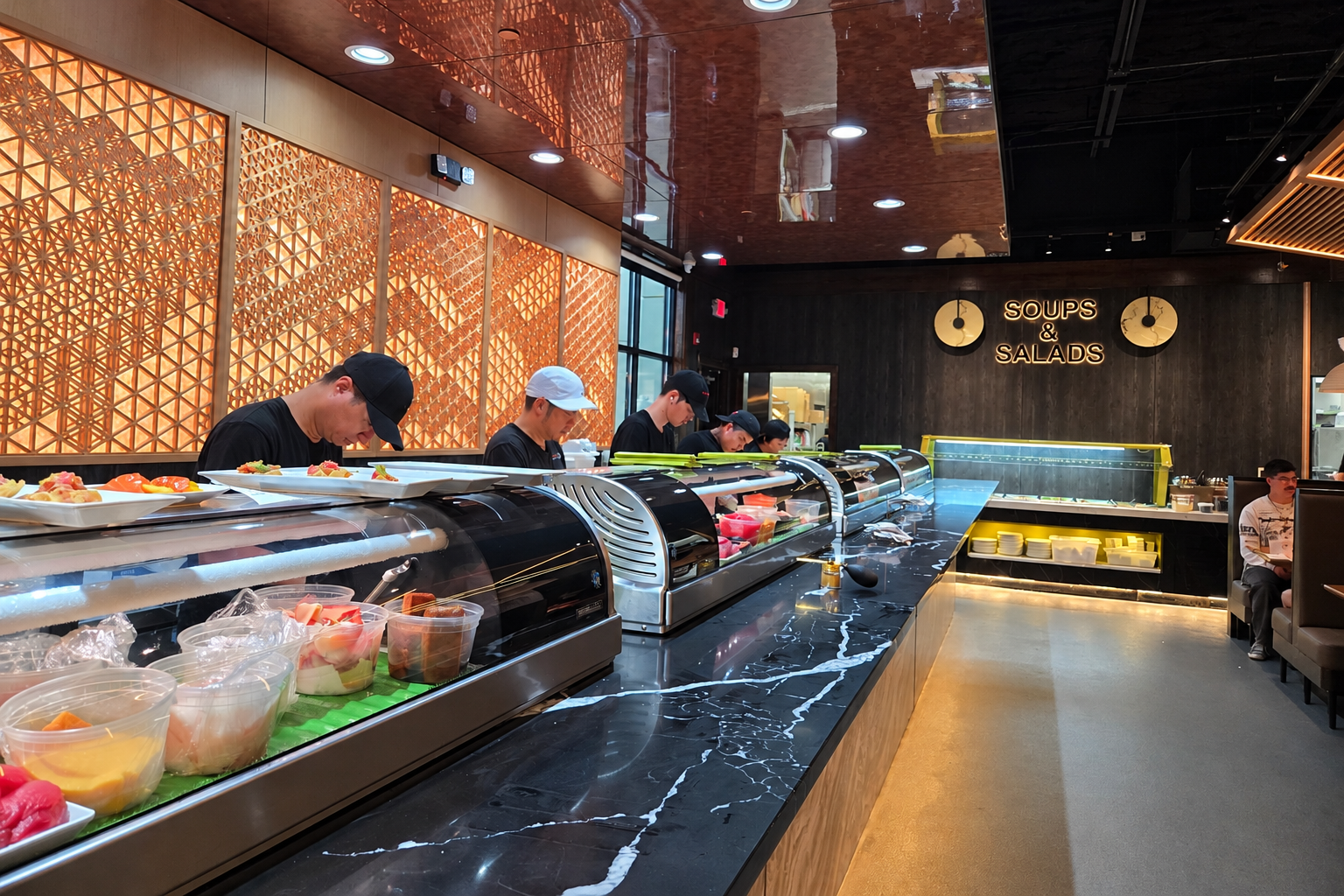
Building Service Around the AYCE Dining Experience
Mr. Tokyo’s setup starts with tasks that happen repeatedly in an AYCE restaurant: guests ordering more dishes, food being delivered throughout the meal, and staff handling the final bill.
With Front tabletop iPads, Front Station, and a food delivery robot, the restaurant has established a clear approach to ordering, delivery, and checkout from opening.
Planning an AYCE Japanese restaurant? Contact Front to learn about tabletop ordering and POS options for your business.