


For restaurant owners, understanding the cost of insurance is a key part of protecting their business and planning for long-term success.
Restaurant insurance plays a critical role in protecting your business against financial losses resulting from property damage, liability claims, employee injuries, and other operational risks. In this guide, we’ll break down the key factors that influence restaurant insurance costs and share practical strategies to help you secure the right coverage while keeping premiums under control.

Key Insights
Restaurant insurance costs typically range from $1,000 to $10,000 per year, depending on factors such as restaurant type, location, and coverage requirements.
Several types of insurance are essential for restaurants, including General Liability Insurance, Workers’ Compensation Insurance, and Liquor Liability Insurance. Each policy contributes to the overall cost of coverage.
There are effective ways to reduce insurance expenses, such as bundling multiple policies into a single package and working with an experienced insurance agent to identify the most cost-effective coverage options.
Comprehensive insurance coverage is critical for protecting your restaurant against liability claims, property damage, employee-related risks, and business interruption losses.
What Is Restaurant Insurance?
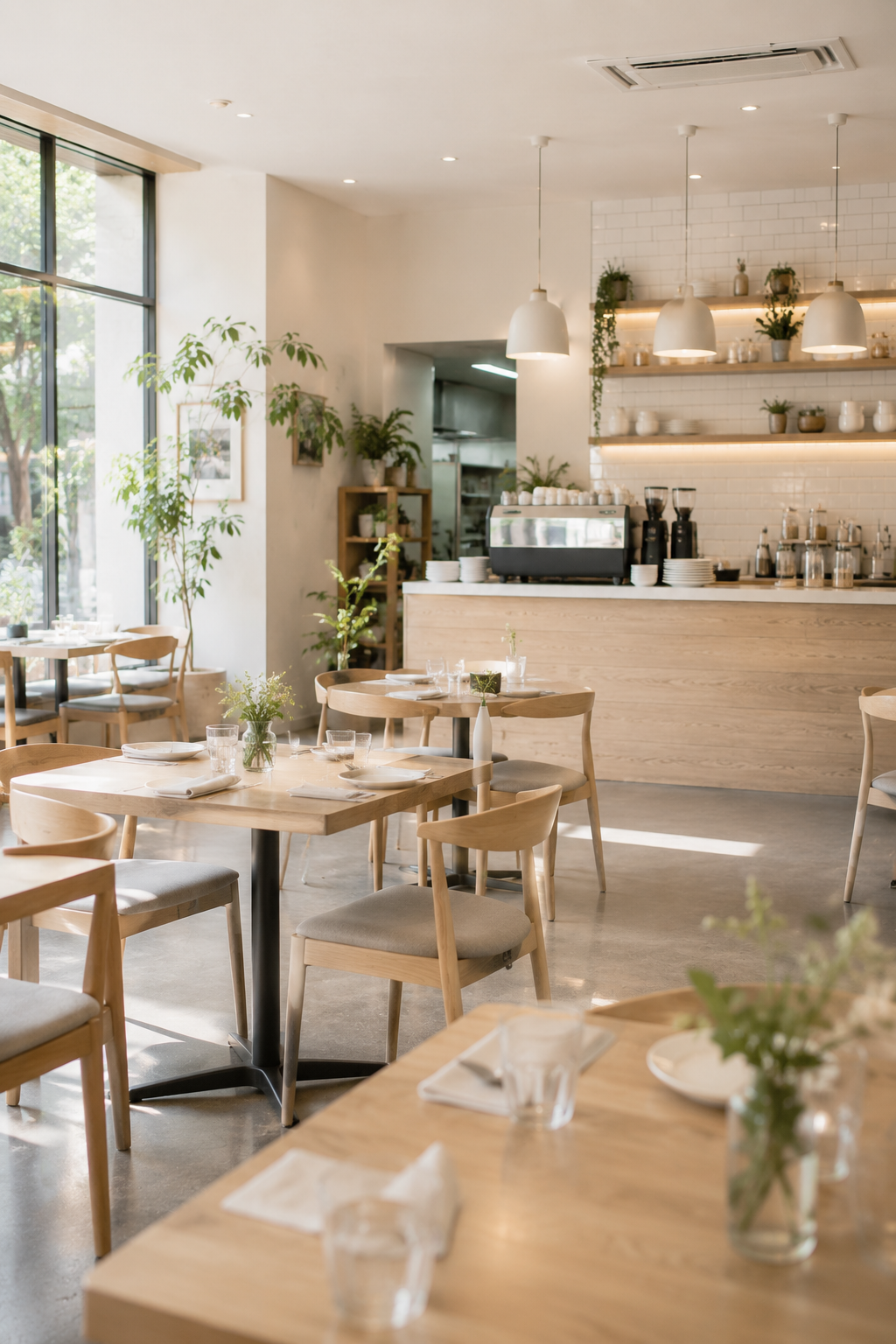
Restaurant insurance is a collection of insurance policies specifically designed for the restaurant industry. It helps protect restaurant owners from the various risks they may face during daily operations.
Running a restaurant comes with many potential risks—from a customer slipping and falling on the premises to a kitchen fire damaging valuable equipment. That's why having the right insurance coverage is essential for protecting your business.
Common Types of Restaurant Insurance
General Liability Insurance
Protects your business against claims involving customer injuries, property damage, or accidents that occur on your premises.
Workers’ Compensation Insurance
Provides coverage for employees' medical expenses and lost wages if they are injured while performing their job duties.
Commercial Property Insurance
Helps protect your restaurant building, kitchen equipment, furniture, inventory, and other business assets from damage caused by fire, theft, vandalism, or certain natural disasters.
Liquor Liability Insurance
If your restaurant serves alcohol, this coverage helps protect your business from legal claims and financial losses related to alcohol-related incidents.
Business Interruption Insurance
Provides compensation for lost income and certain operating expenses if your restaurant is forced to temporarily close due to a covered event such as a fire, storm, or other disaster.
By combining these coverages into a comprehensive insurance plan, restaurant insurance helps safeguard your business from financial losses caused by both everyday operational risks and unexpected events.
Why Do Restaurants Need Insurance?

Running a restaurant comes with significant risks, and without proper insurance coverage, a single unexpected incident could lead to substantial financial losses—or even force a business to close. Common examples include:
- A customer slipping and falling on a wet floor
- An employee being injured while working in the kitchen
- A fire damaging your equipment, inventory, or building
Without insurance, any of these incidents could result in costly medical bills, legal expenses, property repairs, and lost income.
In addition, many states require restaurants to carry certain types of insurance, such as Workers’ Compensation Insurance. Landlords also commonly require tenants to maintain Commercial Property Insurance and liability coverage as part of their lease agreements.
Even when specific policies are not legally required, maintaining comprehensive restaurant insurance is considered a best practice throughout the industry. It provides peace of mind and helps business owners confidently manage unexpected risks.
Simply put, restaurant insurance is more than just a safety net—it is a fundamental investment in the long-term stability, protection, and success of your restaurant.
Understanding Restaurant Insurance Costs

Understanding the factors that affect restaurant insurance costs is essential for protecting your business and managing your budget effectively.
Key Factors That Affect Restaurant Insurance Costs
1. Restaurant Type
Different restaurant types carry different levels of risk. Fine dining restaurants often have higher premiums due to expensive equipment and greater liability exposure, while food trucks require specialized coverage for vehicle-related risks.
2. Location
Insurance costs vary by location. Restaurants in high-crime areas or regions prone to hurricanes, floods, or other natural disasters typically pay higher premiums.
3. Restaurant Size
Larger restaurants with more employees, customers, and assets generally require more coverage, resulting in higher insurance costs.
4. Coverage Selection
The types of insurance you choose directly affect your premium. Additional coverage, such as Liquor Liability Insurance or Business Interruption Insurance, will increase overall costs but provide greater protection.
Essential Types of Restaurant Insurance
By combining these coverages into a comprehensive insurance plan, restaurant insurance helps protect your business from financial losses caused by both everyday operational risks and unexpected events.
General Liability Insurance
It is considered the foundation of restaurant insurance. It helps cover medical expenses, legal fees, and settlement costs if a customer is injured or their property is damaged on your premises.
For example, if a customer slips and falls on a wet floor, this coverage can help pay for the associated costs. Without it, even a minor incident could result in significant financial losses.

Workers’ Compensation Insurance
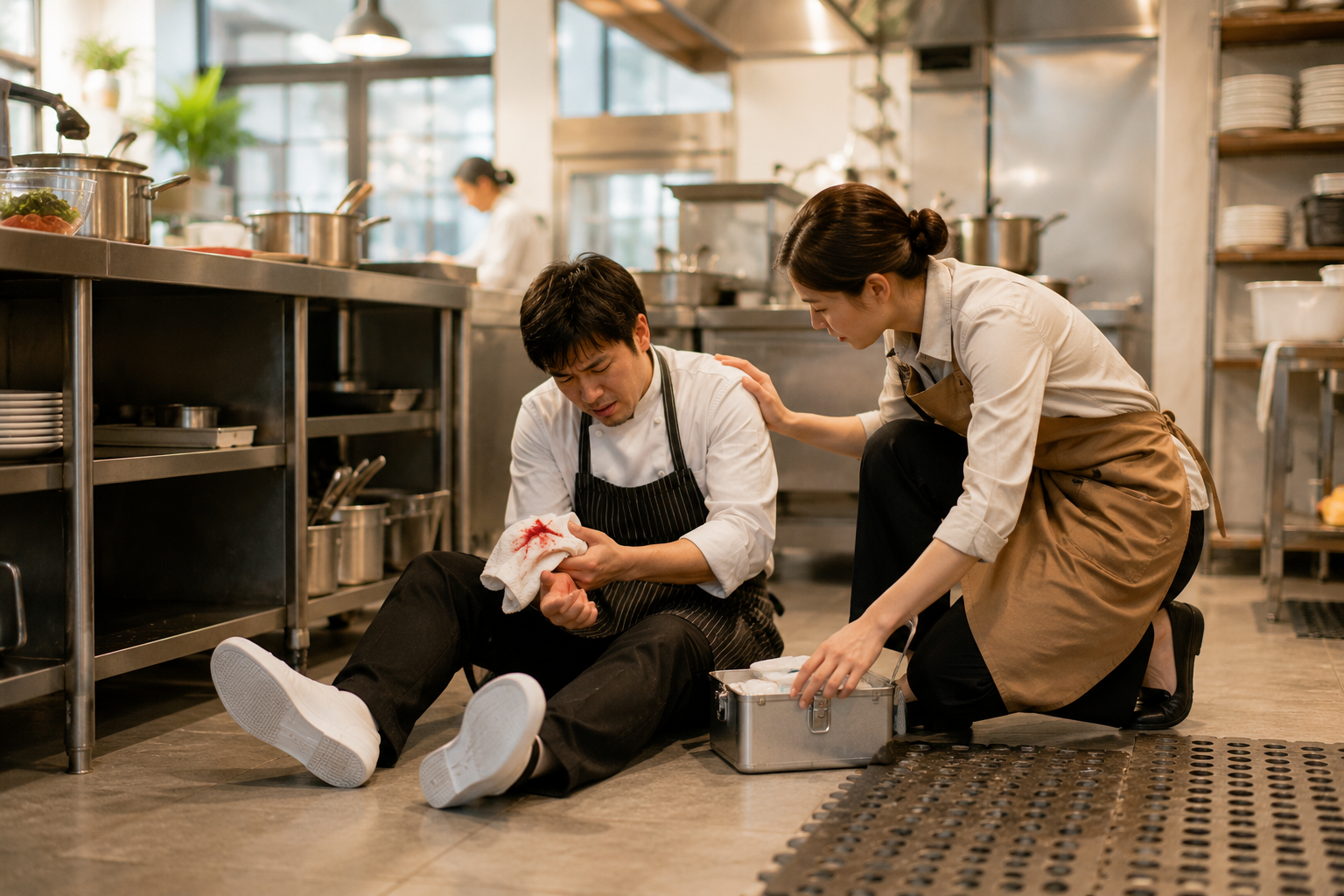
It is required in most states. It provides coverage for employees who are injured on the job, helping pay for medical expenses, lost wages, and rehabilitation costs.
For example, coverage may apply if a chef suffers a knife injury or a server slips and falls while working. Insurance premiums are typically based on the number of employees and the level of risk associated with their job duties.
Commercial Property Insurance
Commercial Property Insurance helps protect your restaurant's physical assets from risks such as fire, theft, vandalism, and certain natural disasters.
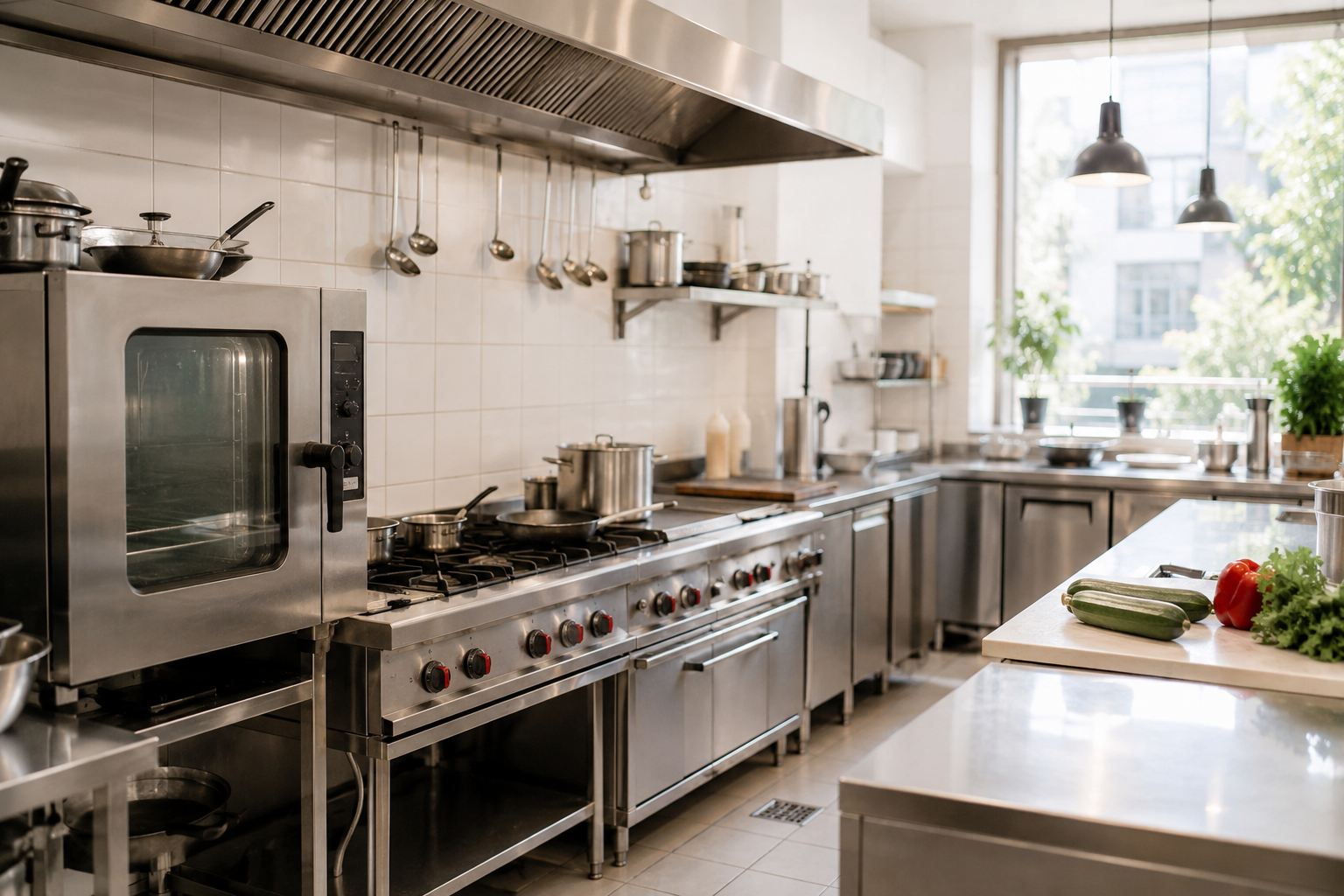
For example, if a kitchen fire damages your equipment, this coverage can help pay for repair or replacement costs. Premiums are typically based on factors such as property value, equipment condition, and location.

Liquor Liability Insurance
Liquor Liability Insurance is essential for restaurants that serve alcohol. It helps protect your business from legal claims and financial losses if an intoxicated customer causes an accident or injures someone after consuming alcohol at your establishment.
Premiums typically depend on factors such as alcohol sales volume and local legal requirements.
Cyber Liability Insurance
Protects your restaurant against financial losses resulting from data breaches, cyberattacks, and other cybersecurity incidents. This coverage is especially important for restaurants that offer online ordering or store customer payment information.
Commercial Crime Insurance
Provides protection against losses caused by employee theft, fraud, forgery, or other criminal activities that may impact your business.


Employment Practices Liability Insurance
Protects your restaurant from legal claims related to employment practices, including wrongful termination, discrimination, harassment, and other workplace-related disputes.
Commercial Auto Insurance
Provides coverage for vehicles used for business purposes, such as food delivery or catering services. It helps protect both the vehicle and the driver in the event of an accident, property damage, or liability claim.
How to Reduce Restaurant Insurance Costs?
Bundling Insurance Policies

Bundling insurance policies is one of the most effective ways to reduce insurance costs.
Many insurance providers offer a Business Owner’s Policy (BOP), which combines General Liability Insurance, Commercial Property Insurance, and Business Interruption Insurance into a single package.
Benefits of a BOP include:
- Easier policy management
- Lower premiums compared to purchasing coverage separately
- More comprehensive protection with fewer coverage gaps
Implement Risk Management Practices
Reducing risk can help lower your insurance premiums and may qualify your restaurant for insurance discounts.
Common strategies include:
- Safety Training: Regularly train employees on kitchen safety procedures and customer service best practices.
- Equipment Maintenance: Perform routine inspections and repairs to reduce the risk of accidents and equipment failures.
- Protective Systems: Install fire suppression systems, security cameras, and other safety measures.
- Employee Education: Provide ongoing training on food safety standards and responsible alcohol service.
These measures not only help prevent accidents and losses but also demonstrate strong risk management practices, which may lead to lower insurance costs.
Partner with a Professional Insurance Agent
An experienced insurance agent who understands the restaurant industry can help you:
- Select the coverage your business truly needs
- Avoid paying for unnecessary policies
- Compare quotes from multiple insurance providers
- Identify available discounts and cost-saving opportunities
- Adjust your coverage as your business grows and changes
Working with the right insurance professional can help ensure you receive comprehensive protection at the most competitive price.
Greater Peace of Mind, More Complete Protection
Having the right restaurant insurance coverage is essential for protecting the long-term stability and success of your business. By bundling policies, implementing effective risk management practices, and working with experienced insurance professionals, you can reduce costs while building a comprehensive safety net for your restaurant.
However, true business protection goes beyond insurance alone. In today’s digital restaurant environment, operational security also includes data protection, payment security, and the reliability of the systems that power your business every day.
That’s where Front comes in.
Our all-in-one restaurant management system integrates payments, ordering, customer loyalty, and reporting into a single intelligent platform. By streamlining operations and reducing human error, Front helps restaurants improve efficiency while minimizing operational and financial risks.
Insurance protects your business from risk. Front protects your daily operations.
Together, they provide a stronger foundation for your restaurant—from hardware to software, from financial protection to operational security—giving you the confidence to focus on growth and success.