


A New Indian Restaurant Brings Authentic Flavors to Monroe, Georgia
Opening a restaurant requires more than a strong menu and excellent service. A new business also needs reliable systems for taking orders, accepting payments, and managing delivery demand from day one.
Located in Monroe, Georgia, this newly opened restaurant is the city’s first restaurant dedicated to authentic Indian cuisine. Its menu includes vegetarian and non-vegetarian dishes, tandoori specialties, traditional Indian desserts, fresh juices, and house-made lassi.
The restaurant owner explains:
“We are the first Indian restaurant in Monroe. We want to offer our customers authentic Indian food, and we are always committed to maintaining the quality and rich flavors of every dish.”
Alongside preparing the menu and training the team, the owner needed to establish a simple and dependable process for dine-in orders, payments, and third-party delivery orders.

The Challenge: Managing Orders Across Multiple Delivery Platforms
During the restaurant’s opening stage, employees had to manage in-store orders while also monitoring orders from delivery platforms such as DoorDash and Uber Eats.
The previous system could not bring every delivery channel into one place. Employees had to move between different platforms or devices to review order details and keep orders moving. When several orders arrived at once, these extra steps made the process more complicated and time-consuming.
The restaurant owner recalls:
“The system we used before could not manage all of our delivery platforms together, so the entire process was complicated and took a lot of time.”
For a newly opened restaurant, this was more than a missing feature. In-store ordering, payment processing, and delivery order management were not connected through one clear workflow. That increased training demands and made busy service periods more difficult to manage.
The Solution: Connecting Ordering, Payments, and Delivery with ZBS POS
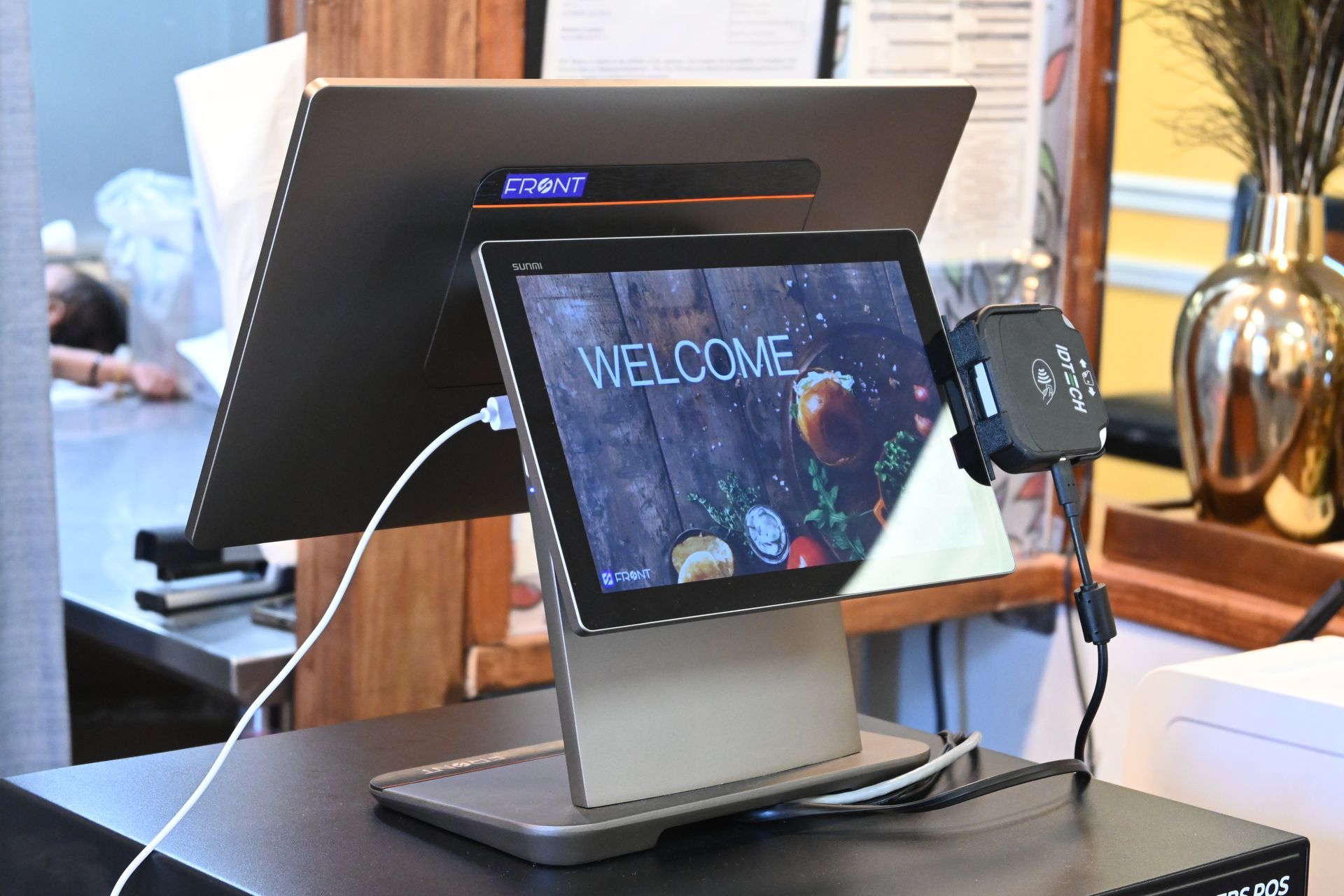
The restaurant selected ZBS POS to simplify its day-to-day operations. In addition to handling in-store orders and payments, ZBS POS can integrate orders from third-party delivery services such as DoorDash, Uber Eats, and Grubhub.
Instead of repeatedly switching between platforms, employees can view and process orders through one device and a more consistent workflow. For the restaurant, this created three immediate operational benefits:
- Fewer platform switches: Staff can access orders from multiple channels in one place instead of checking separate systems.
- Faster employee training: A straightforward interface helps new employees learn the ordering and payment process more quickly.
- A clearer workflow during busy periods: Centralized order information makes it easier for front-of-house and kitchen teams to stay organized.
The owner says:
“I chose ZBS POS because it is easy to use and saves us a lot of time when training employees. It can also integrate our other delivery platforms into one device, which makes our daily operations much easier.”
The restaurant officially began using ZBS POS for daily operations in August 2026. During its first month with recorded transactions, 100% of the POS orders recorded in the system were valid. This early result showed that the system was reliably supporting the restaurant’s core ordering, checkout, and payment needs.
The Results: Third-Party Delivery Orders Became a Valuable Sales Channel
In September 2026, the restaurant began receiving and processing third-party delivery orders through ZBS POS.
Data from the first 11 days of September showed encouraging early results:
- Growing DoorDash volume: DoorDash order volume during the first 11 days of September was nearly half of the restaurant’s total POS order volume for all of August.
- Nearly 98% valid orders: The high valid-order rate indicated that third-party delivery orders were entering the restaurant’s operating workflow consistently.
- Approximately 13% higher average order value: The average third-party delivery order value was about 13% higher than the restaurant’s overall average POS order value in August.
These early figures show that third-party delivery was becoming more than an additional ordering channel. It was beginning to contribute meaningful order volume and higher-value transactions to the new restaurant.
The owner describes the difference:
“The biggest change after using ZBS POS is that everything is simpler and more convenient. When we are busy, we only need to select what we need, and all the information appears clearly in the list.”
From launching its POS workflow in August to integrating third-party delivery orders in September, the restaurant used ZBS POS to bring ordering, payments, and delivery management into a clearer and more efficient process.
Responsive Support and Reliable Payment Processing
For a new restaurant, ease of use is only one part of a successful POS experience. Responsive customer support and dependable payment processing also matter when the team is building its daily routine.
The restaurant owner says:
“Whenever we need help, the customer service team responds quickly. They have helped me solve many problems.”
The owner also highlights the payment experience:
“ZBS POS is convenient and easy to operate. There are no delays with payments, and we receive our funds smoothly without problems.”
Timely support and smooth payment processing helped reduce uncertainty during the restaurant’s opening stage and became important reasons why the owner would recommend ZBS POS.
A Simpler Restaurant Workflow from Day One
For this Indian restaurant in Monroe, ZBS POS is more than a restaurant ordering and payment system. It has helped the team build a connected operating workflow during a critical stage of the business.
By bringing in-store transactions and third-party delivery orders together, the restaurant can reduce repetitive platform switching, simplify employee training, and keep order information organized during busy periods. That allows the team to spend more time on what matters most: maintaining authentic flavors, serving customers, and growing the business.
- Looking for a restaurant POS system that connects in-store ordering, payments, and third-party delivery orders? Discover how ZBS POS can help simplify your restaurant’s workflow and support more efficient daily operations.
FAQ:
Which delivery platforms can integrate with Front POS?
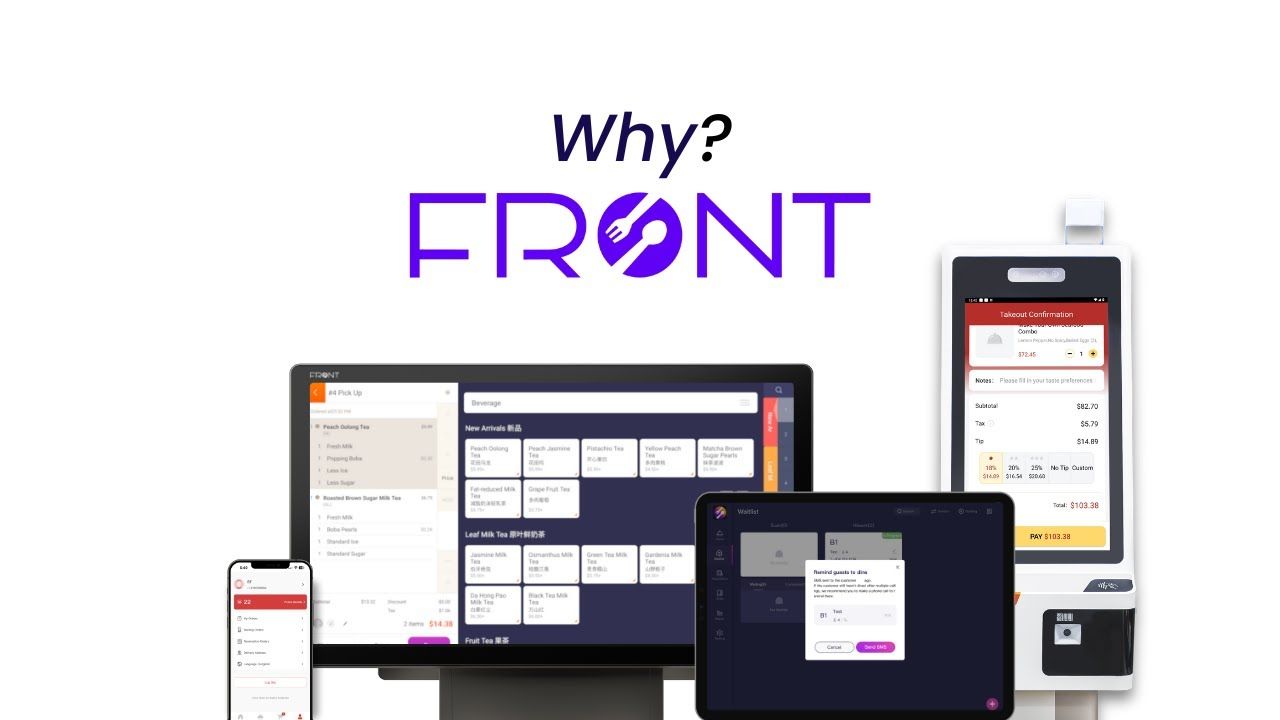
Front POS supports integration with third-party delivery platforms including DoorDash, Uber Eats, and Grubhub. Platform availability and integration features may vary by region and service plan, so restaurants should confirm current compatibility with the Front POS team.
How can a restaurant manage DoorDash, Uber Eats, and Grubhub orders in one place?
A restaurant can use a POS system with third-party delivery integrations to centralize orders from platforms such as DoorDash, Uber Eats, and Grubhub. With Front POS, integrated delivery orders can appear on one device and within a more consistent order-management workflow, reducing the need to monitor separate platforms.
Is Front POS suitable for a newly opened restaurant?
In this customer story, Front POS helped a new restaurant connect in-store ordering, checkout, payments, and third-party delivery orders. Its straightforward interface also reduced the time required to train employees. Every restaurant should evaluate its menu, order volume, delivery partners, and payment requirements before selecting a plan.