

PART01:
For restaurant owners, attracting customers is only the first step. Maintaining fast, reliable service during peak hours is what supports long-term growth.
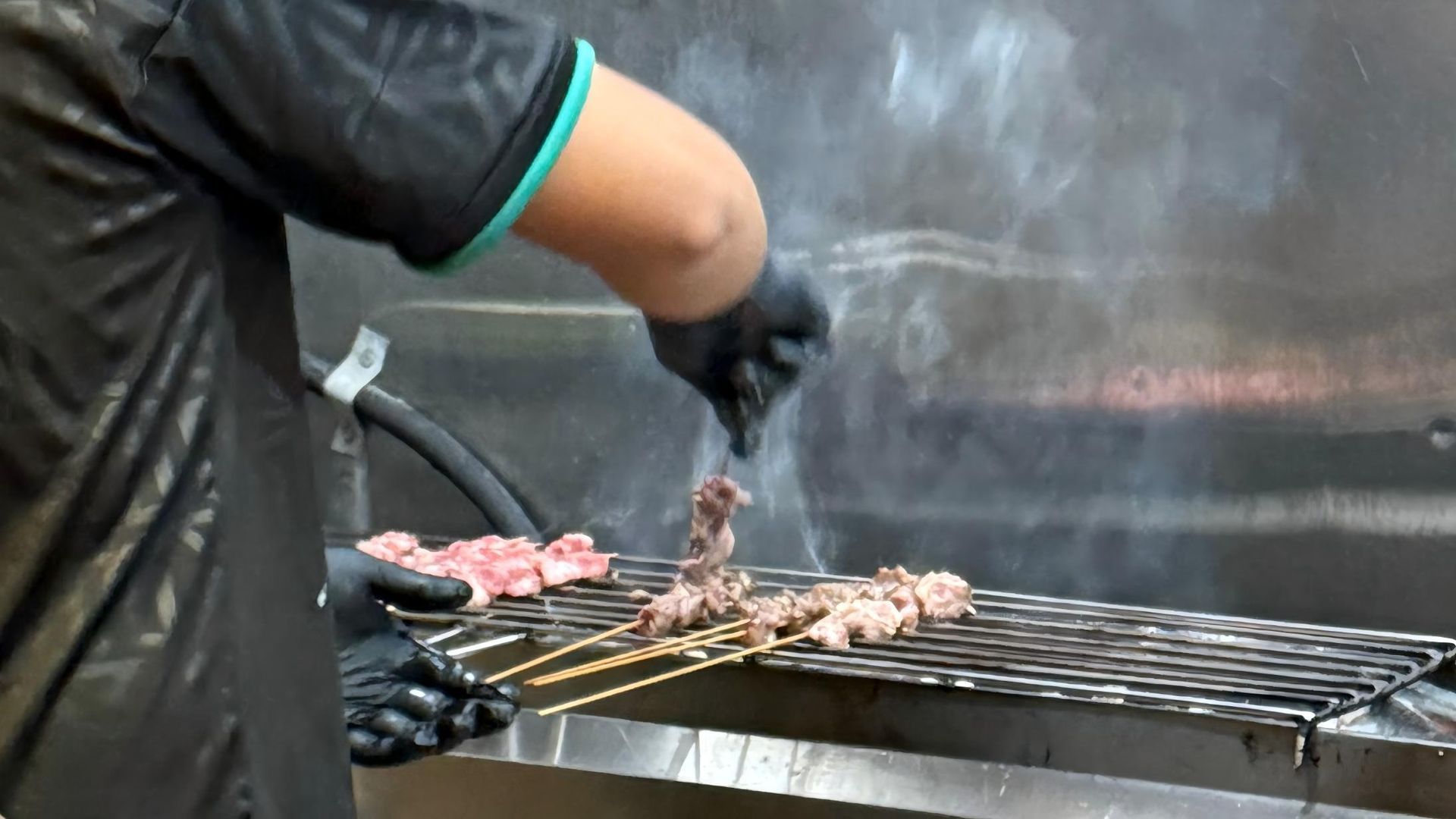
An Atlanta skewer restaurant recently faced this challenge. Unlike a traditional full-service restaurant, it offers a highly customizable dining experience. Customers choose from a wide variety of meat skewers, vegetable skewers, sides, beverages, and seasoning options.
This flexibility appeals to customers, but it also makes ordering more complicated.
Guests may need extra time to review the menu and customize their selections. When servers record every choice manually, the process can become slow and communication errors are more likely.
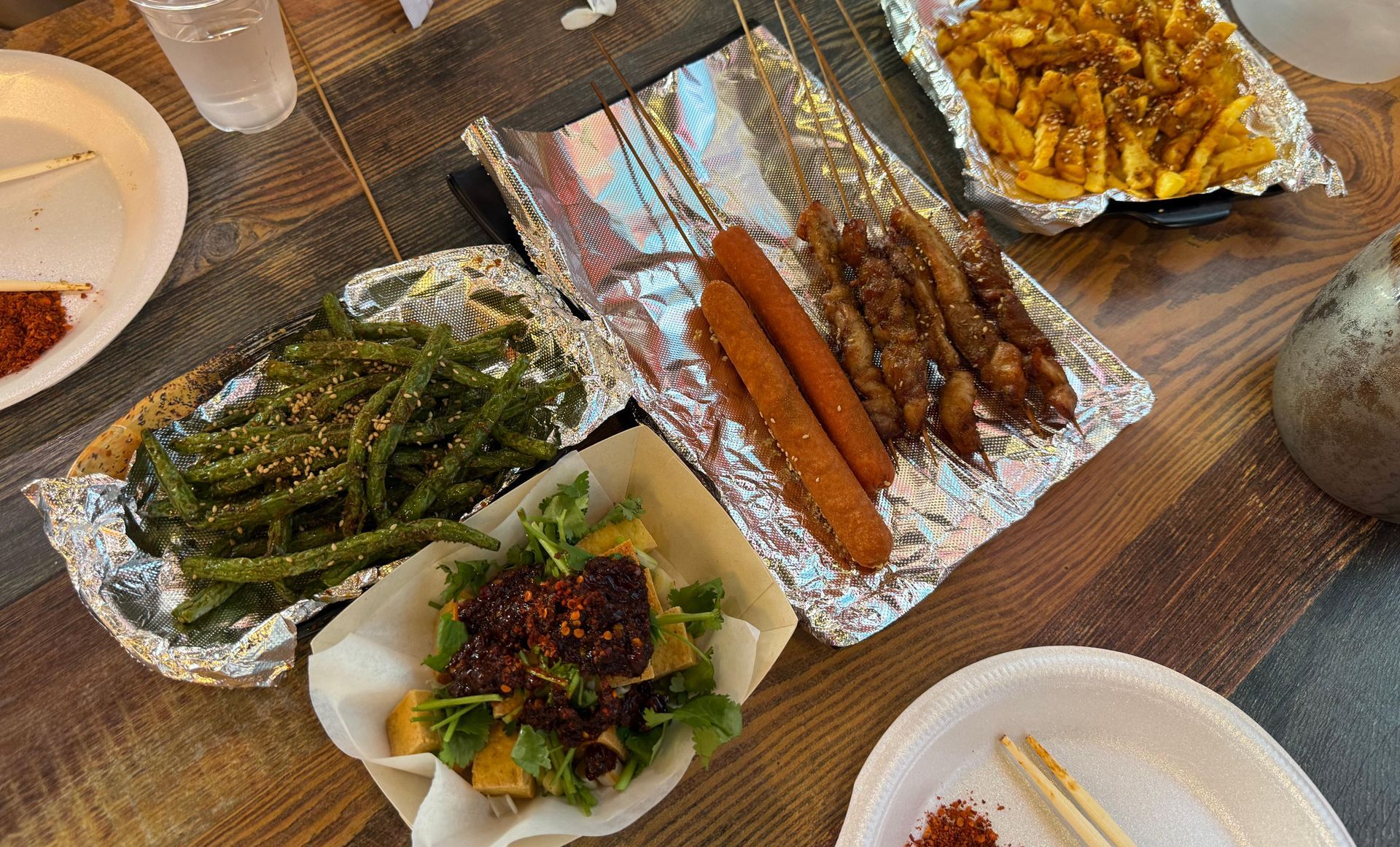
Language differences create another challenge. The restaurant serves both Chinese-speaking guests familiar with the cuisine and local customers trying Chinese barbecue for the first time. A menu that is difficult to understand can slow down ordering and affect the overall experience.
At the same time, rising labor costs and limited restaurant space make it difficult to improve service simply by adding more employees or equipment.
The restaurant needed a solution that could preserve its customizable dining experience while making ordering faster and easier.
PART02:The ZBS POS Solution: A Mini Countertop Self-Ordering Kiosk
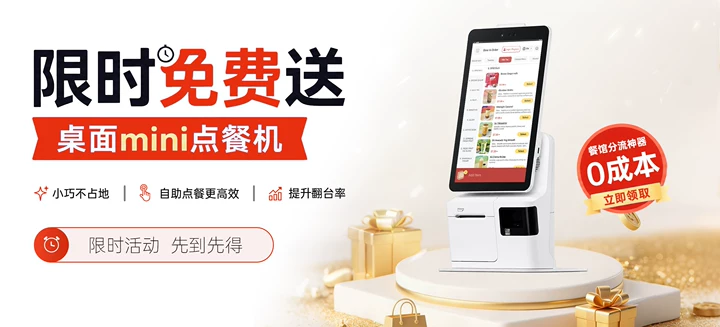
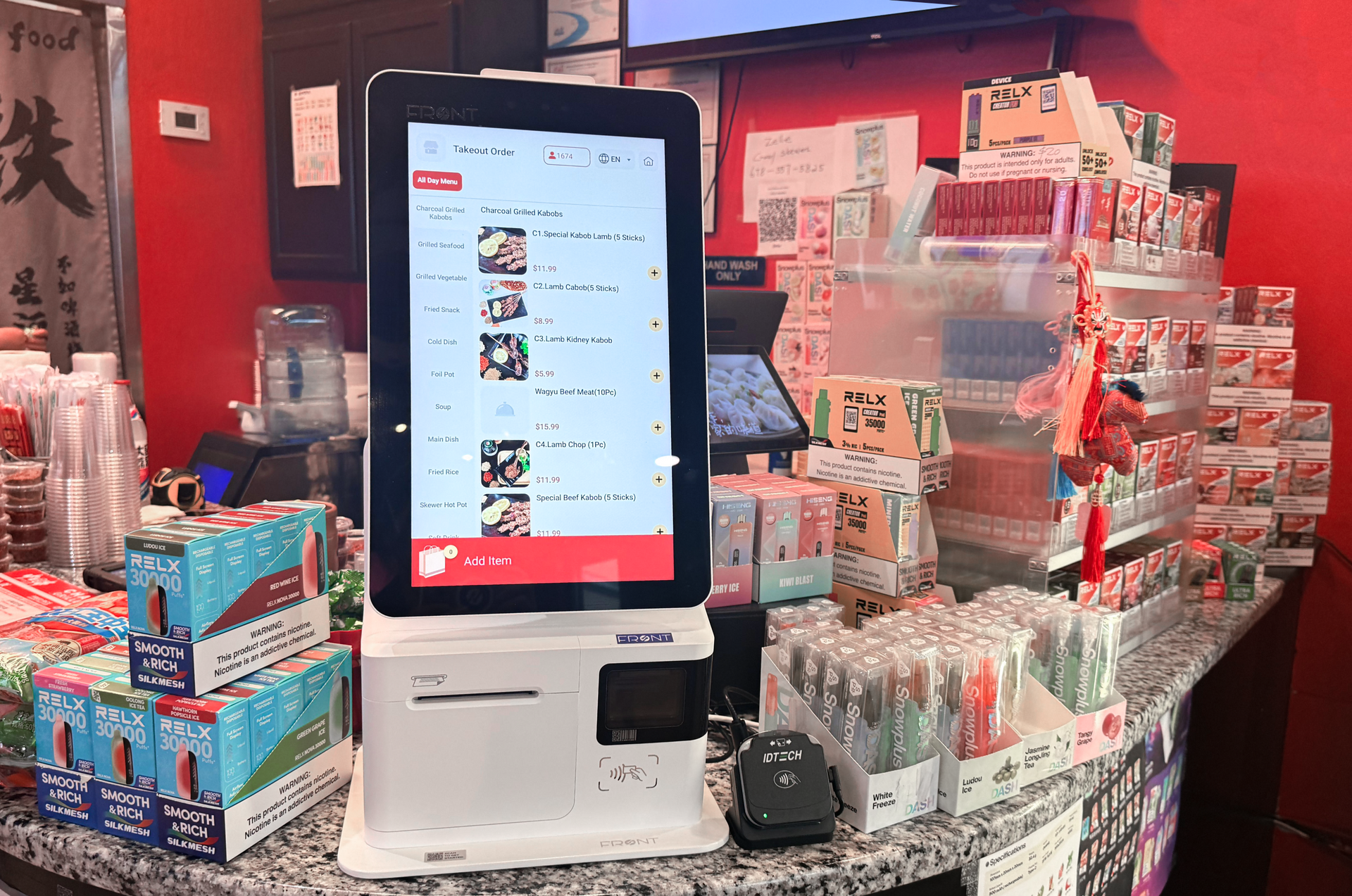
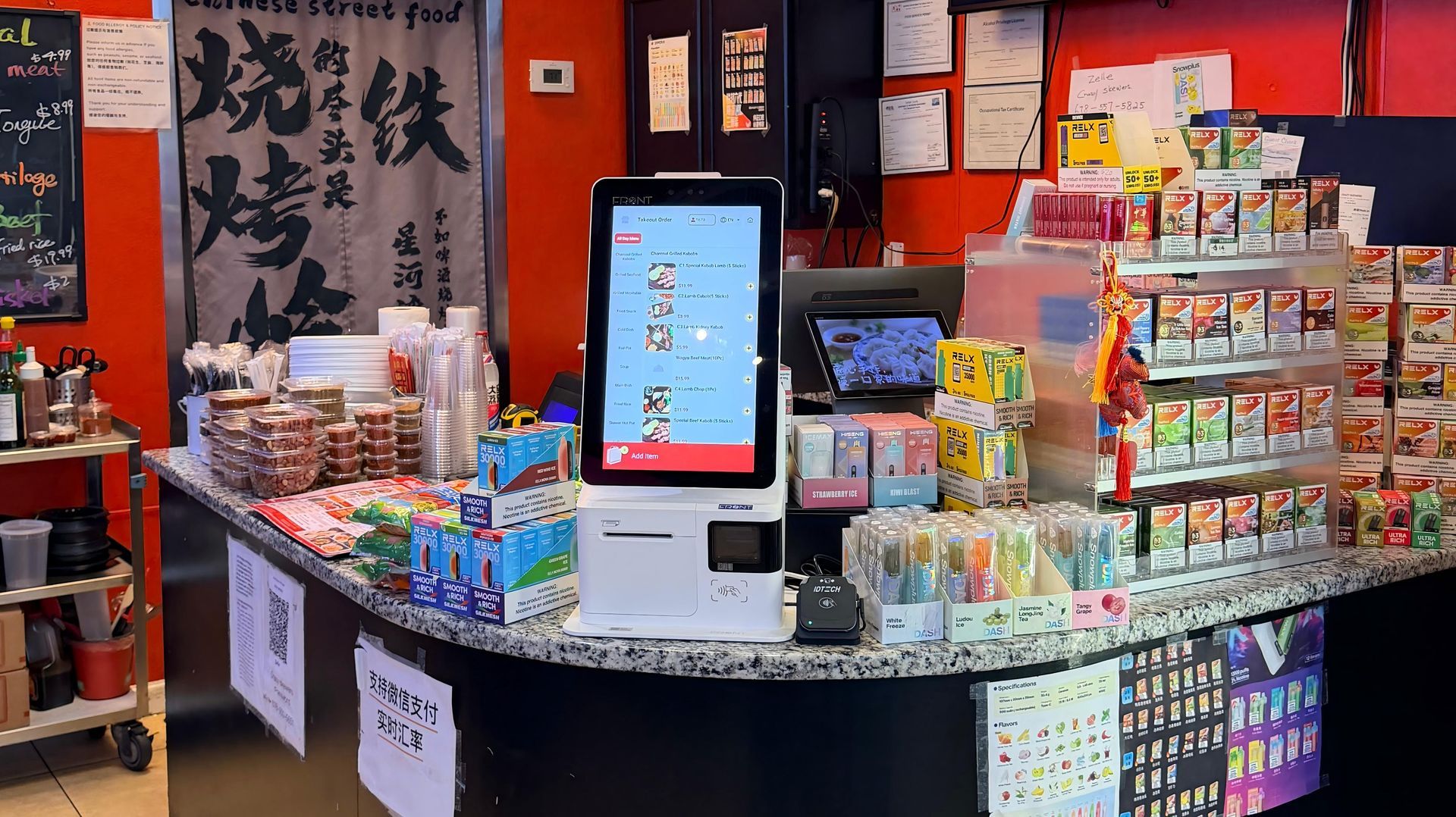
Based on the restaurant’s space and ordering model, ZBS POS introduced a compact countertop self-ordering kiosk.
1. A Compact Design for Limited Space
Space is valuable in any restaurant.
The mini kiosk has a footprint roughly the size of a sheet of printer paper. It can be placed near the entrance or checkout counter without taking up additional floor space.
This gives the restaurant another ordering station while allowing it to make better use of its existing layout.
2. A Clear, Bilingual Digital Menu
The restaurant can organize its digital menu into clear categories, including meat skewers, vegetable skewers, snacks, and beverages.
Customers can browse the menu at their own pace, review their options, and place orders without waiting for a server to record each selection.
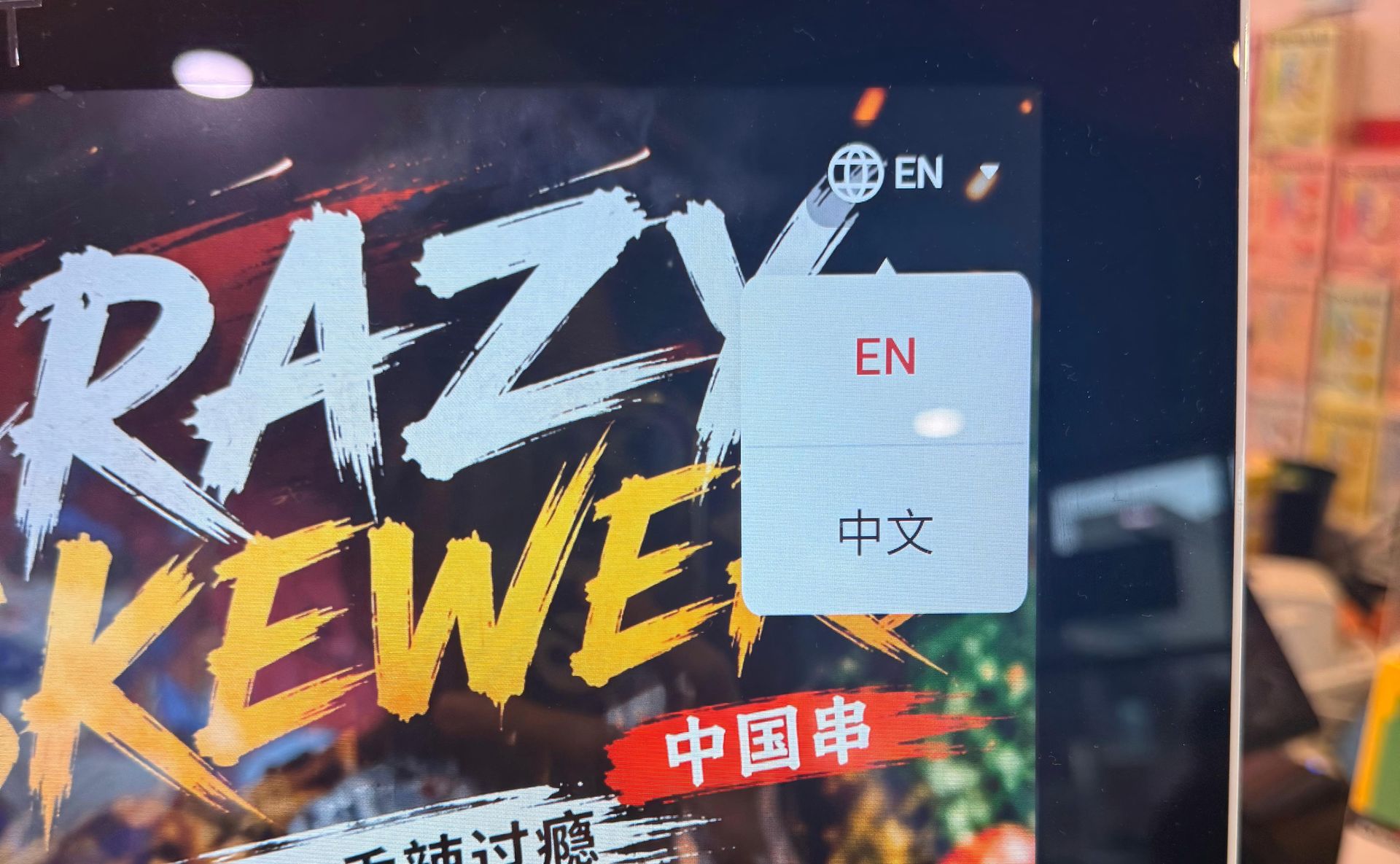
Chinese and English menu support also makes dishes easier to understand for guests from different language backgrounds. This reduces communication barriers and helps customers order with greater confidence.
3. Convenient Payment Options
Customers can select their food and complete payment directly at the kiosk using supported payment methods.
This helps shorten the line at the front counter and reduces repetitive work for employees. Once an order is placed, the information is synchronized with the restaurant POS system, making it easier to manage orders and review sales data.
4. Reliable Service Throughout Business Hours
The mini self-ordering kiosk provides a consistent ordering option throughout the restaurant’s operating hours.
During busy periods, it helps distribute ordering demand and reduce pressure on front-of-house employees. During slower periods, customers can browse the menu, place an order, and pay without waiting for staff assistance.
PART 03:The Results
By introducing the mini kiosk, the Atlanta restaurant upgraded part of its ordering process from manual service to digital self-ordering.
For a skewer restaurant with many menu choices, the kiosk improved the guest experience while simplifying daily operations.
1、About 3–5 Minutes Less Ordering Time per Table
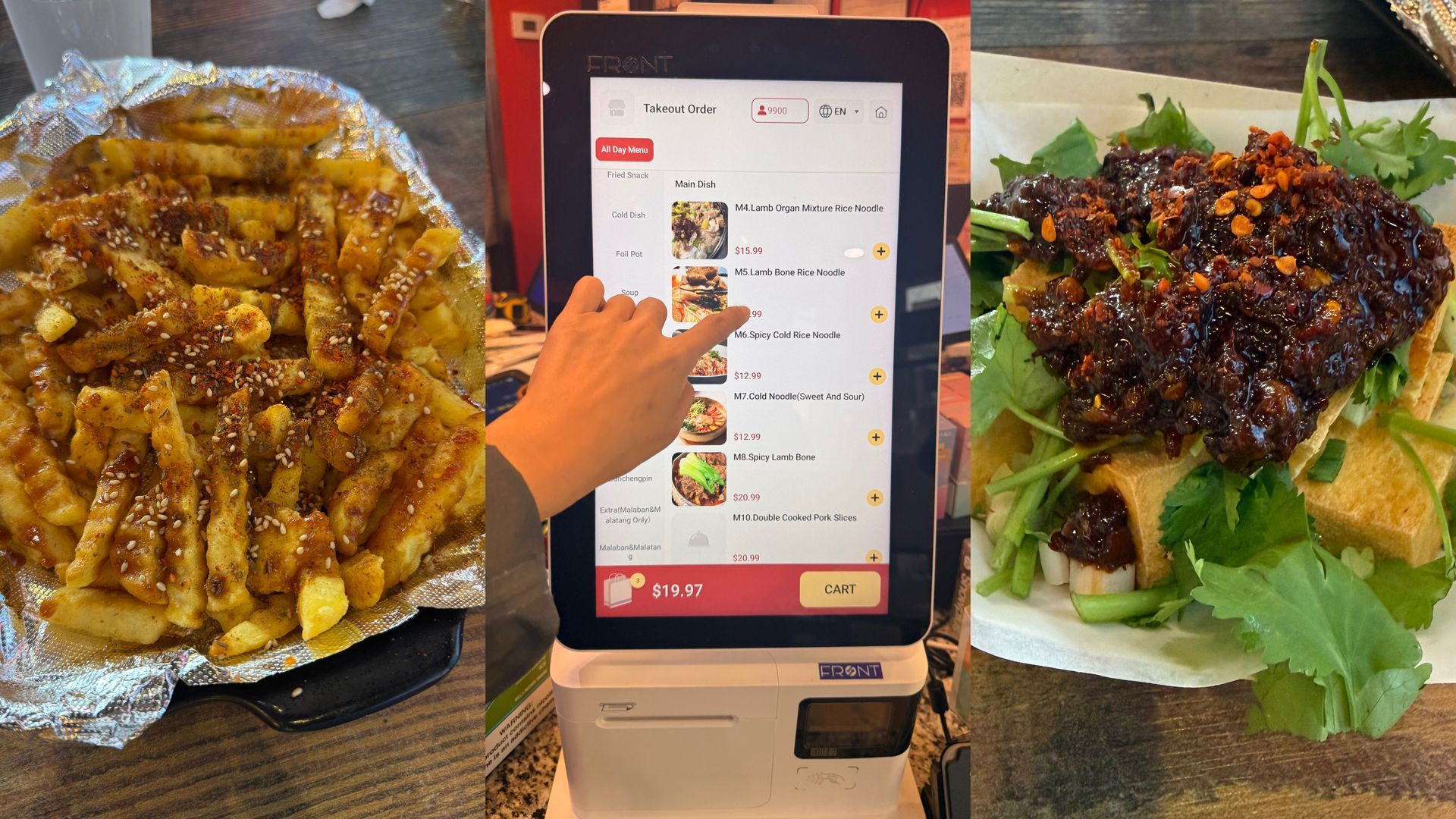
Customers can browse the menu, select items, and complete payment independently.
Based on the restaurant’s operating estimates, the kiosk reduced ordering-related communication by approximately three to five minutes per table. The actual time saved may vary depending on menu complexity, customer volume, and restaurant workflow.
2、Approximately $3,000 in Estimated Monthly Savings
By automating part of the standardized ordering process, the kiosk reduced repetitive front-of-house work.
The restaurant estimated approximately $3,000 in monthly combined operational savings. Results may vary by location, staffing model, operating hours, and order volume.
Employees can spend less time entering routine orders and focus more on customer service, order coordination, and restaurant management.
3、More Ordering Capacity Without More Floor Space
Because the device occupies approximately the same counter space as a sheet of printer paper, the restaurant gained an additional ordering station without expanding its dining area.
For restaurants with limited space, a compact countertop kiosk can increase service capacity without requiring a large freestanding machine.
A Compact Assistant for the Front Counter
A mini self-ordering kiosk functions like an additional digital ordering assistant.
Despite its small footprint, it can help restaurants distribute ordering traffic during busy periods and allow customers to browse, order, and pay independently.
ZBS POS is currently offering a limited-time mini self-ordering kiosk program for qualifying restaurants. Eligible businesses may apply for promotional pricing, including options with no upfront equipment cost, subject to program requirements and approval.
Want shorter waits and a more efficient ordering process?
Contact ZBS POS to learn more about the mini countertop self-ordering kiosk solution.