


A newly opened Hawaiian BBQ restaurant in Snellville, Georgia serves island-inspired grilled meats and comfort food. Its menu includes Katsu Chicken, Hawaiian BBQ Chicken, Kalbi Short Ribs, Loco Moco, seafood combinations, family meals, and other popular plates.
For a new fast-casual restaurant, opening is not only about introducing the menu. The team must also establish a reliable process for ordering, payments, preparation, and pickup. During lunch and dinner rushes, employees may need to explain the menu, customize orders, process payments, and confirm tickets—all while a line forms at the counter.
To distribute ordering demand, the restaurant uses a
Front Station and Kiosk setup. It also integrates orders from Uber Eats, DoorDash, and Grubhub, creating a clearer workflow for staffed ordering, self-service ordering, and third-party delivery.
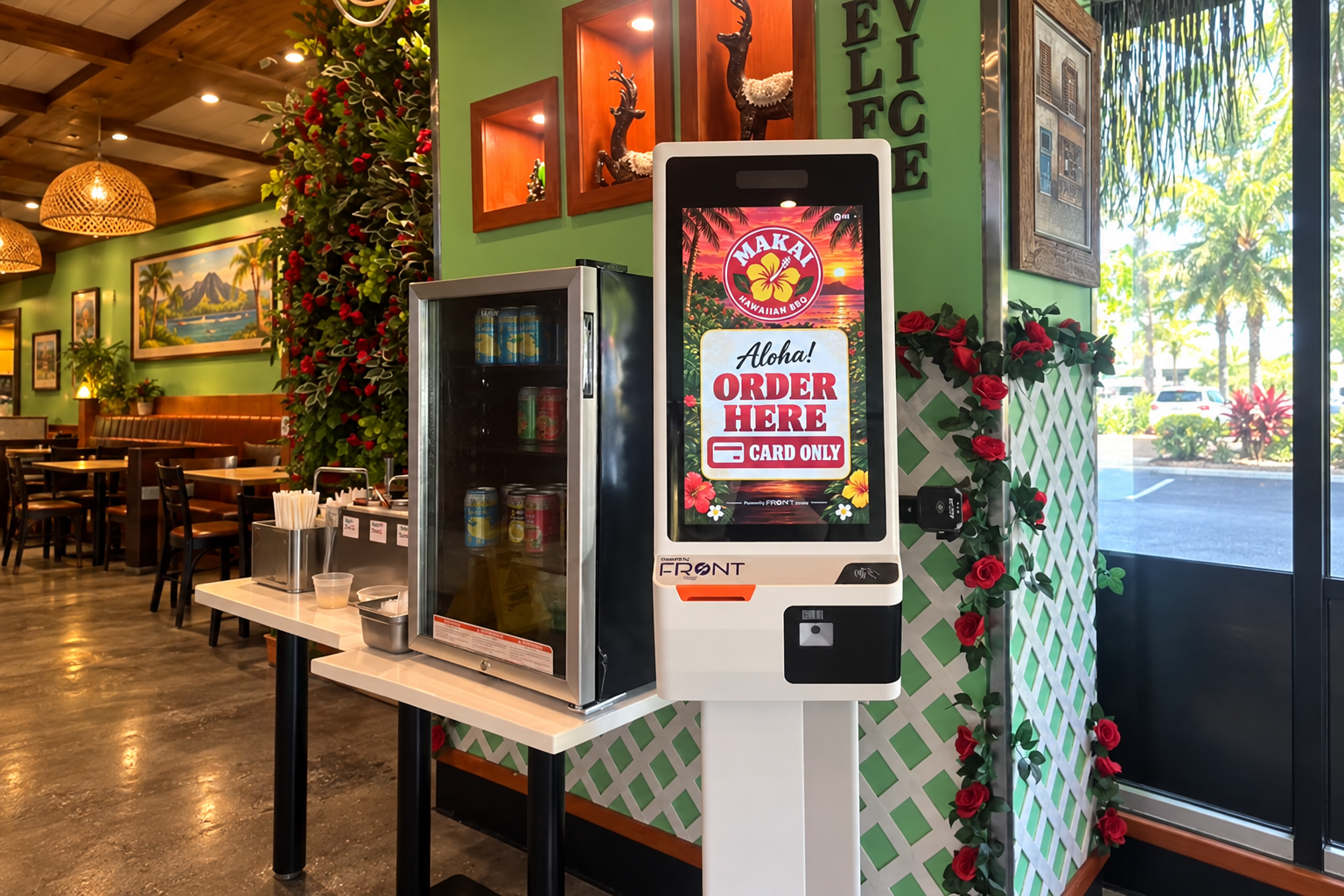
Two Ordering Options Help Distribute Front-Counter Demand
Front Station supports customers who prefer employee assistance. Staff can explain menu items, handle modifications, and complete payment at the counter. This is especially useful for first-time guests or customers who need help selecting a combination plate.
The Kiosk provides a self-service option for customers who already know what they want or prefer to order independently. They can browse the menu, choose a meal, and complete payment without waiting for an employee to enter every item.
Together, Station and Kiosk create two ordering paths. Some customers can use self-service ordering, while counter staff focus on guests who need assistance, pickup communication, and other in-store service.
The available reporting does not provide a separate Kiosk order share, so this case study does not estimate Kiosk adoption. However, recorded Kiosk-related transactions confirm that the self-service channel is being used.
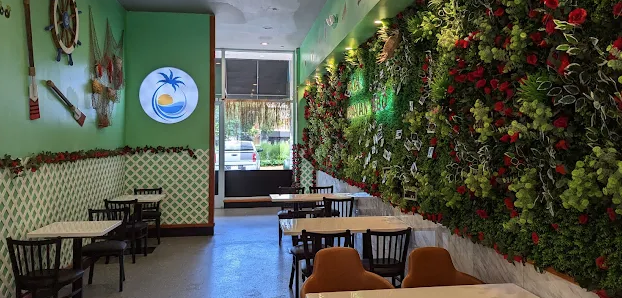
Nearly 400 POS Orders During the Initial Operating Period
The August dashboard showed no active operating transactions. In September, the restaurant began processing live orders through Front.
During the initial operating period, the POS handled nearly 400 orders, with an average order value of approximately $30.
For a newly launched restaurant, this indicates that Front was already supporting daily ordering, checkout, and payment activity. Transaction data was recorded automatically, giving the operator a clearer view of sales, order volume, and average order value without relying only on manual tracking.
More Than 99% of Third-Party Delivery Orders Were Valid
The restaurant also used Front to manage delivery orders from Uber Eats, DoorDash, and Grubhub.
During the opening period, the system recorded more than 170 valid third-party delivery orders, with a valid-order rate above 99%. The average delivery order value was more than $31.
The valid delivery orders were distributed across the three platforms:
- DoorDash represented approximately 64%;
- Uber Eats represented approximately 32%;
- Grubhub represented approximately 4%.
These results show that delivery quickly became an important additional ordering channel. By bringing orders from three platforms into a more centralized workflow, employees can spend less time checking multiple tablets or manually re-entering order information. This can help reduce missed orders, entry errors, and repeated confirmation during busy periods.
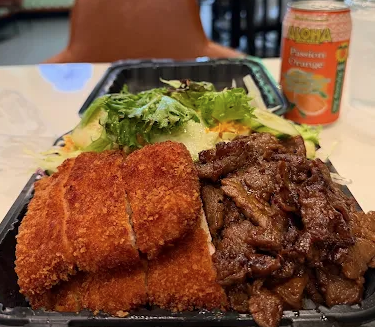
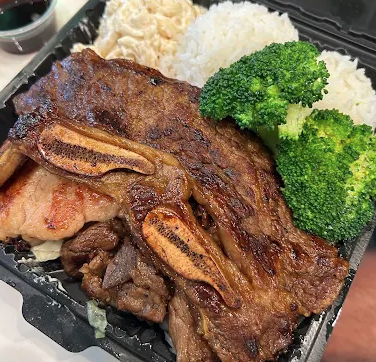
Why New Restaurants Need a Unified Order Workflow
During the opening stage, employees are still learning the menu, preparation timing, and division of responsibilities. If counter orders, Kiosk orders, and delivery orders are managed through separate processes, concentrated demand can quickly increase communication pressure.
Front gives the restaurant multiple ordering options within a more coordinated operating structure:
- Station preserves employee-assisted service for detailed orders;
- Kiosk gives some customers a faster self-service option;
- Third-party delivery integration reduces duplicate order entry;
- Back-office reporting keeps sales and order data available for review.
For Hawaiian BBQ restaurants, barbecue concepts, and other fast-casual businesses with concentrated rush periods, the value of a Station-and-Kiosk setup is not simply adding another screen. It is about matching different customers with different ordering options while keeping the front counter, kitchen, and delivery workflow more organized.
The opening data from this Snellville restaurant shows that Front supported both in-store and delivery demand from the beginning: nearly 400 POS orders, more than 170 valid delivery orders, and a delivery valid-order rate above 99%.