


When Dine-In, Direct Online Orders, and Delivery All Grow at Once
For a Chinese restaurant with an extensive menu, the challenge is not simply handling more orders. It is keeping order information clear and consistent across the dining room, the restaurant’s own online ordering channel, and third-party delivery platforms.
This restaurant receives orders in-store, through its direct online ordering site, and from platforms such as Uber Eats and DoorDash. As digital demand increased, the team needed a more connected workflow—one that reduced the need to monitor separate systems and helped the front and back of house stay aligned.
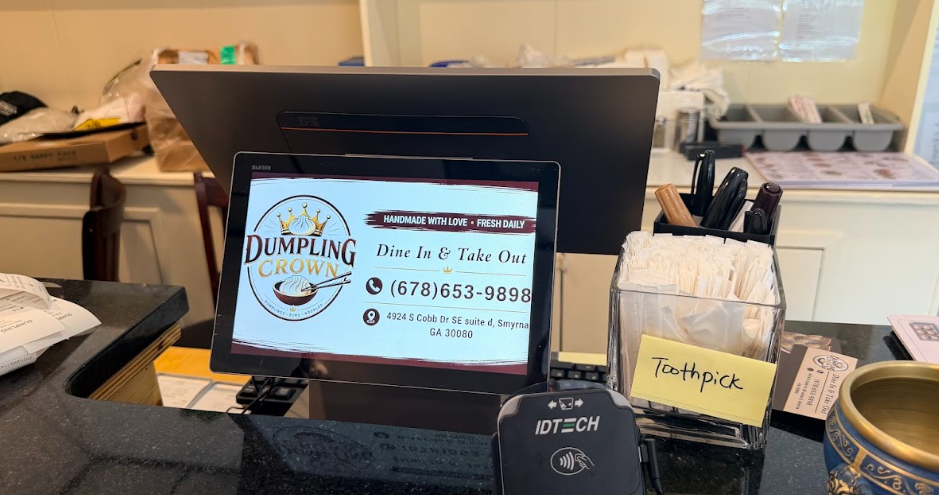
Bringing Multiple Ordering Channels Into One Workflow
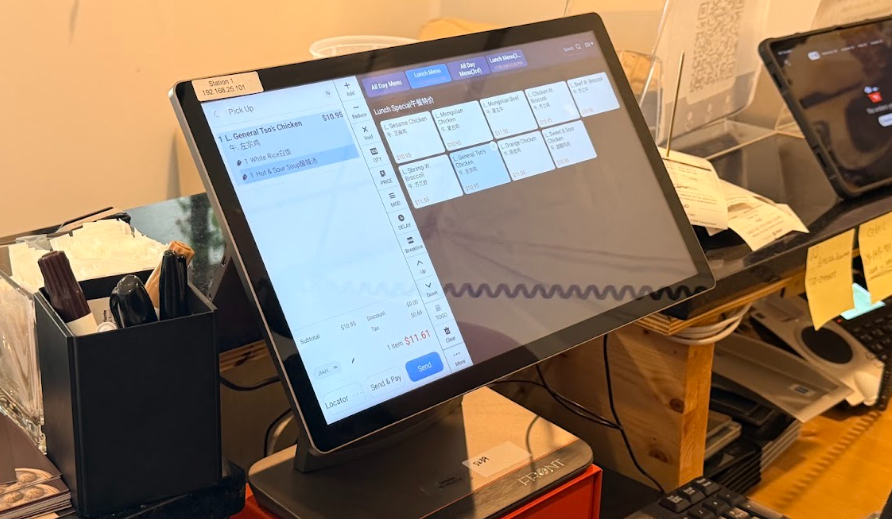
The restaurant uses Front POS to manage in-store transactions, direct online orders, and third-party delivery activity. Employees can review incoming orders more centrally, while the kitchen receives clearer information about items, quantities, and special requests.
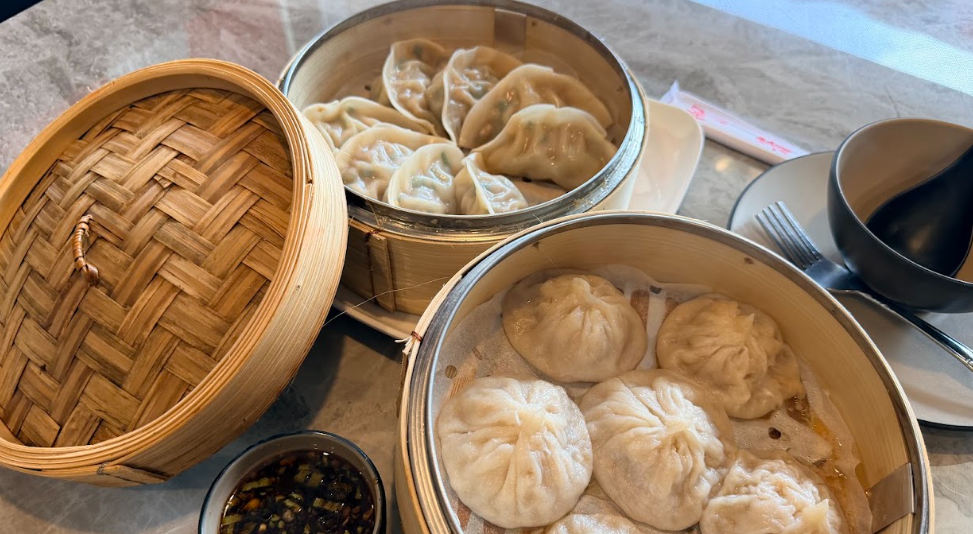
That matters for a dumpling and noodle restaurant, where one ticket may include steamed, pan-fried, boiled, and wok-prepared dishes. With a more organized workflow, the team can spend less time cross-checking orders and more time preparing them accurately.
Delivery Became the Strongest Growth Channel
Comparing the full month of August with September data through the 28th, third-party delivery showed the clearest improvement:
- Valid third-party delivery orders increased by approximately 19% in total;
- Average daily valid delivery orders increased by approximately 31%;
- Average daily delivery sales increased by approximately 30%;
- Average order processing time improved by approximately 7%;
- The valid-order rate remained above 99% during both reporting periods.
Growth was not limited to one platform. Uber Eats order volume increased by approximately 36%, while DoorDash also continued to grow. Most importantly, the restaurant maintained a valid-order rate above 99% while processing more delivery orders.
Direct Online Ordering and In-Store Business Remained Stable
The restaurant’s direct online ordering channel also continued to perform consistently. Average daily valid online orders increased by approximately 4%, while the conversion rate remained steady at around 6%.
In-store activity stayed stable as well. On a daily basis, POS order volume increased by approximately 3%. This suggests that delivery growth added another source of business without simply replacing dine-in demand.
A Restaurant POS Should Do More Than Process Payments
For dumpling shops, noodle restaurants, and other Asian restaurants, choosing a POS system should come down to three practical questions:
- Can dine-in, direct online, and third-party delivery orders be managed through a connected workflow?
- Can menu items, modifiers, and special requests reach the kitchen clearly?
- Can the restaurant maintain order accuracy and processing efficiency as volume grows?
This restaurant’s two-month performance shows what can happen when ordering channels work together. The team was able to support faster delivery growth while keeping direct online ordering and in-store operations stable.
Looking for a simpler way to connect dine-in, direct online ordering, and delivery platforms? Discover how Front POS helps Chinese and Asian restaurants manage every order through one connected system.