


Malatang Ordering Is More Complex Than It Looks
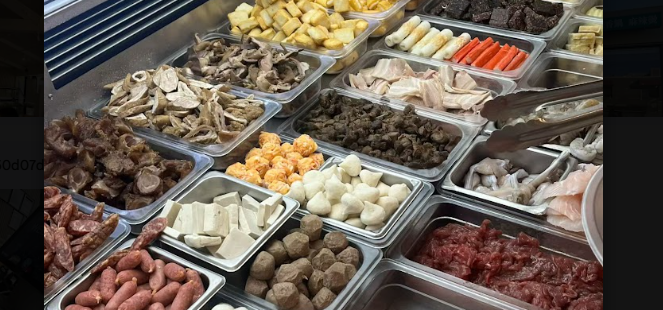
Malatang does not follow the same ordering process as a typical Chinese restaurant. Customers select their ingredients, choose a broth or cooking style, customize the flavor and spice level, and then proceed to payment and preparation.
Every order can contain a different combination. The front of house needs to record those choices accurately, while the kitchen needs to understand them quickly.
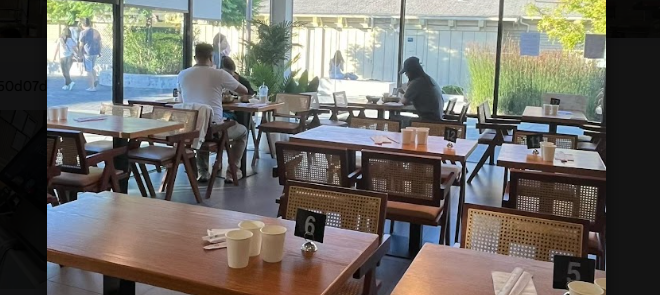
The restaurant also manages a steady flow of dine-in guests. When waitlist registration, guest notifications, ordering, and kitchen preparation operate separately, employees may need to confirm the same information multiple times—and customers may be left wondering when their table will be ready.
This Bay Area restaurant uses Front POS and Front Waitlist to create a clearer connection between waiting, seating, ordering, and food preparation.
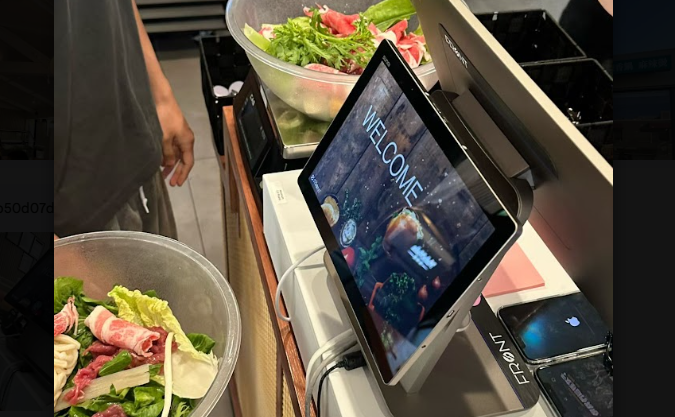
A More Visible Waitlist Experience
During August, approximately 16% of the restaurant’s dine-in guest traffic was recorded through the waitlist workflow. Each waiting party included an average of approximately 2.7 guests.
More importantly, the delivery rate for waitlist text notifications exceeded 99.7%. System records show that each waiting party received close to two status messages on average, helping guests stay informed while reducing the need for employees to repeatedly provide verbal updates or search for guests near the entrance.
POS-related text messages also maintained a delivery rate above
99% in both August and September. For a restaurant serving a large number of guests, reliable communication helps connect the ordering process with the overall customer experience.
Clearer Orders Help the Kitchen Execute
A malatang order may include different broths, spice levels, proteins, vegetables, and preparation styles. If these choices are not recorded clearly, the front and back of house may need to stop and reconfirm the order.
Front POS allows the restaurant to organize menu categories and modifiers around its existing workflow. When an order reaches the kitchen, selections and special requests are presented more clearly, helping the team reduce missed details and making the process easier for new employees to learn.
The restaurant also maintained stable transaction levels across the two reporting periods. On a daily basis, September order volume remained at approximately
96% of August’s level, while the average order value remained at approximately
97%. Even as traffic changed from one month to the next, the restaurant’s core transaction performance stayed within a similar range.
What a Malatang Restaurant Should Look for in a POS System
A malatang restaurant needs more than a system that simply processes payments. Its POS should support the way the restaurant actually operates:
- Clearly record ingredients, broths, flavors, spice levels, and modifiers;
- Send complete order information to the kitchen;
- Keep waiting guests updated through reliable notifications;
- Bring order, guest-flow, and sales information into one management system.
This restaurant’s results show how connecting POS and waitlist management can make a highly customizable ordering process easier to follow while giving guests a more transparent waiting experience.
From ingredient selection to seating, and from ordering to kitchen preparation, Front POS helps malatang and Asian restaurants build workflows around the way they actually serve customers.